
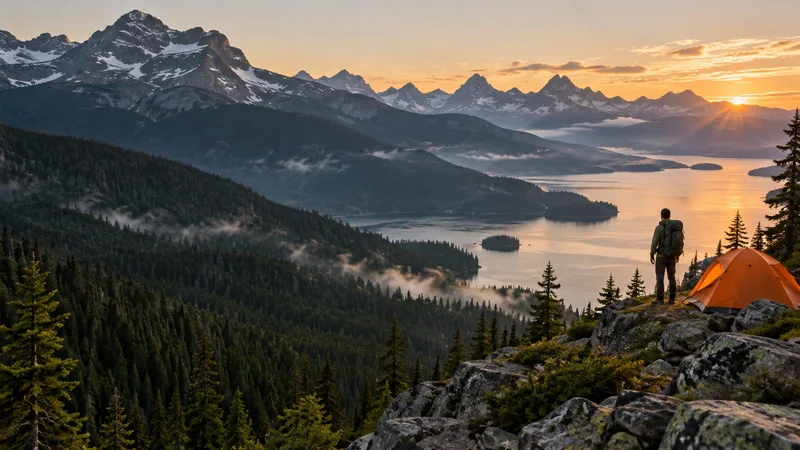
Pick an established, flat, durable spot at least 200 feet from water, with no dead branches overhead and no sign that water pools or runs through it. Check where the wind comes from and where the morning sun will land, and avoid low hollows where cold air settles overnight.
- Look up before you look down: dead branches are the biggest hidden hazard.
- Flat and slightly raised beats soft and low.
- Camp at least 200 feet from lakes and streams.
- Never camp in a dry wash or gully where flash floods can run.
Start with the rules
Many campgrounds and backcountry areas require you to use designated sites, and some limit how close you can camp to trails, lakes, or roads. Check before you go. Where dispersed camping is allowed, choose a site that has already been used rather than creating a new one.
Look up first
Dead trees and broken limbs that hang over a site are often called widowmakers, and they can fall without warning in wind or under snow load. Scan the canopy above your tent spot and move if anything looks dead, cracked, or leaning.
Safety firstWind makes overhead hazards worse. If gusts are forecast, give dead trees an even wider berth.
Read the ground
- Flat, with a slight rise. A spot that is level but a little higher than its surroundings sheds water instead of collecting it.
- Durable surface. Bare ground, gravel, or dry grass recovers better than meadows or moss.
- No drainage lines. Look for debris lines, flattened grass, or channels that show where water runs in rain.
- Clear of roots and rocks. Sweep the footprint with your hand before you pitch.
Wind, sun, and cold air
- Wind. A natural windbreak such as boulders or a stand of healthy trees helps. Point the narrow end or the back of the tent into the wind.
- Morning sun. A site that catches early sun dries dew and condensation and warms you sooner.
- Cold air pools. Cold, dense air sinks into valley floors and hollows at night. A spot a little way up a slope is often several degrees warmer.
Water and wildlife
Camp at least 200 feet, about 70 adult steps, from lakes and streams. You will still be close enough to collect water, but you protect the shoreline and reduce condensation and insects at camp.
Avoid game trails and set up your cooking and food storage area well away from where you sleep, especially in bear country.
Field tipIn canyons and deserts, never camp in a dry wash. Storms miles away can send a flash flood through without any rain where you are.
A quick site checklist
- Is camping allowed here? Check signs and the area rules.
- Anything dead overhead? Move if so.
- Will water run or pool here? Look for drainage signs.
- Where is the wind coming from? Orient the tent.
- Is water 200 feet away? Step it out.
A few good questions.
How far from water should I camp?
At least 200 feet, about 70 adult steps, unless you are in a designated site that is closer.
What is a widowmaker when camping?
A dead tree or broken branch that could fall on your tent, especially in wind. Always check overhead before you pitch.
Is it warmer to camp low or high?
Usually a little higher. Cold air sinks into valley floors and hollows overnight, so a spot partway up a slope tends to stay warmer.
Why shouldn't I camp in a dry riverbed?
Dry washes and gullies can flood suddenly from storms far upstream, even when it is not raining where you are.
Gear that helps.
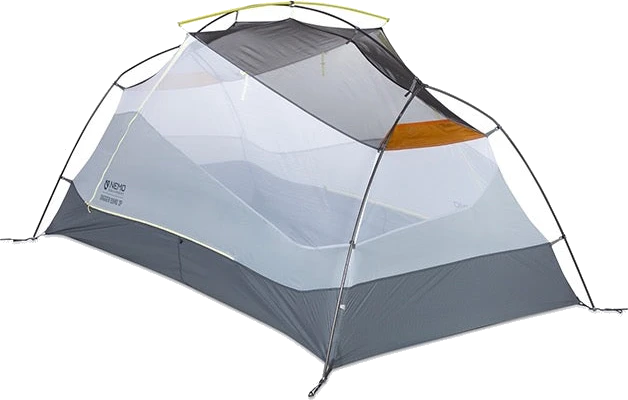
NEMO Dagger OSMO 2P
Best forBackpacking pairs who value livable space
A thoughtfully equipped two-person shelter for backpacking trips where room to sit, organize, and wait out a shower matters as much as packed weight.
Read our verdict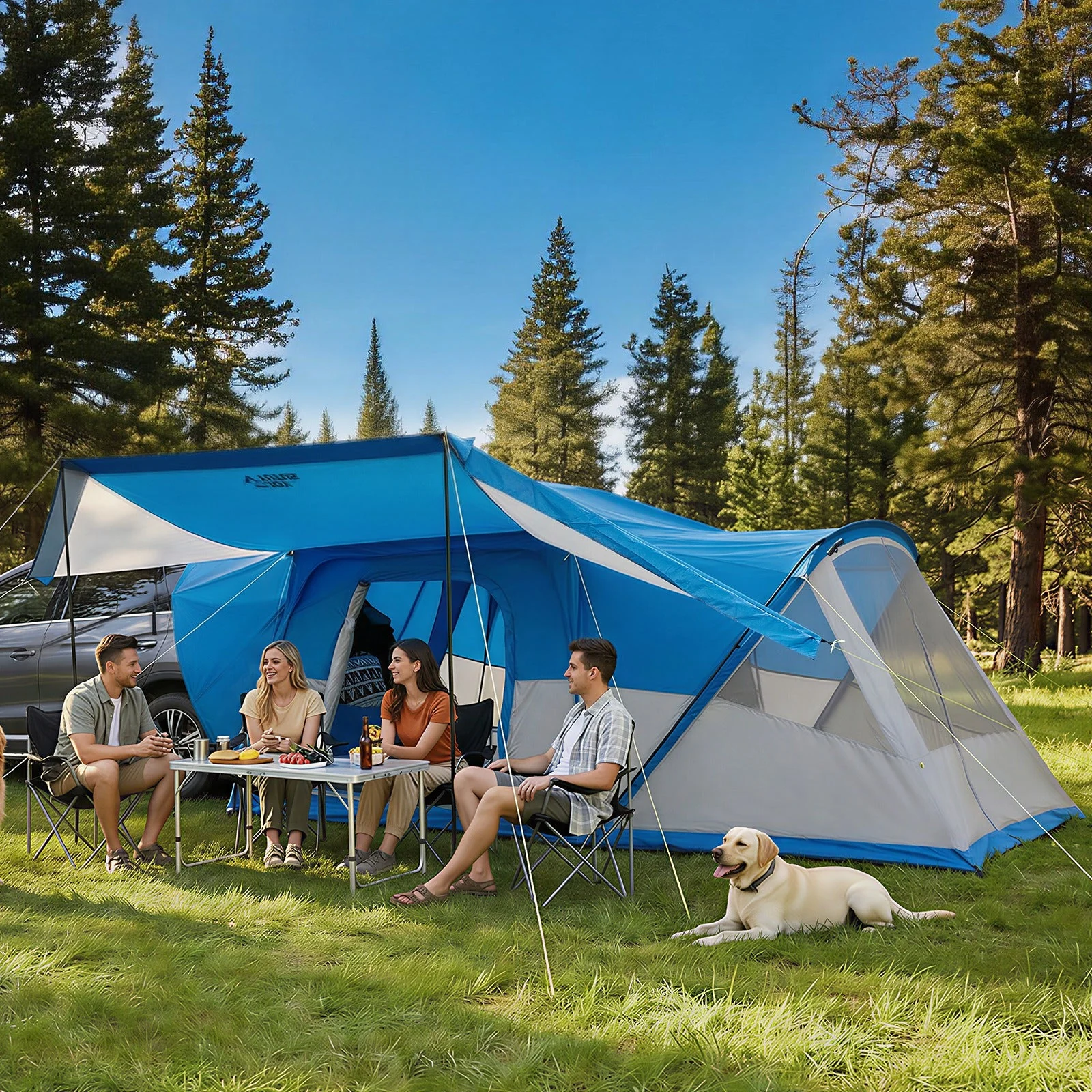
JOYTUTUS H1201-01053-BL SUV Tent
Best forFamilies and vehicle campers who want a large screened living area attached to an SUV
We recommend the JOYTUTUS H1201-01053-BL for drive-in campers who want a generous covered base by the vehicle: its two-room layout, screened porch, three-sided canopy and seven-foot center height make space for more than sleeping. Plan for its large footprint and check the rear-hatch fit before buying.
Save about $45.00 with SEBASTIANBASSOL. Price checked October 16, 2026 · US store · Tax excluded; shipping is calculated at checkout.
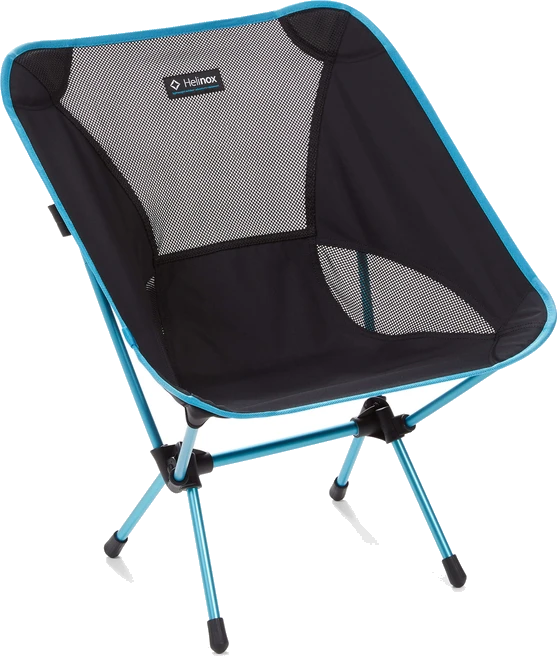
Helinox Chair One
Best forCampers who want a chair that packs small
A compact, pole-frame camp chair that makes room for a proper seat without taking up the space of a traditional folding chair.
Read our verdictOur approach
Written by Outdoor Gear Verdict Editorial. Grounded in Leave No Trace guidance and common backcountry practice. Always follow local regulations and the manufacturer instructions for your equipment. Read our editorial standards.