

Size a camping power station by adding the watt-hours your devices use each day, multiplying by the days between recharges, and allowing for losses and reserve. Separately check that its rated output and ports support the equipment you want to run.
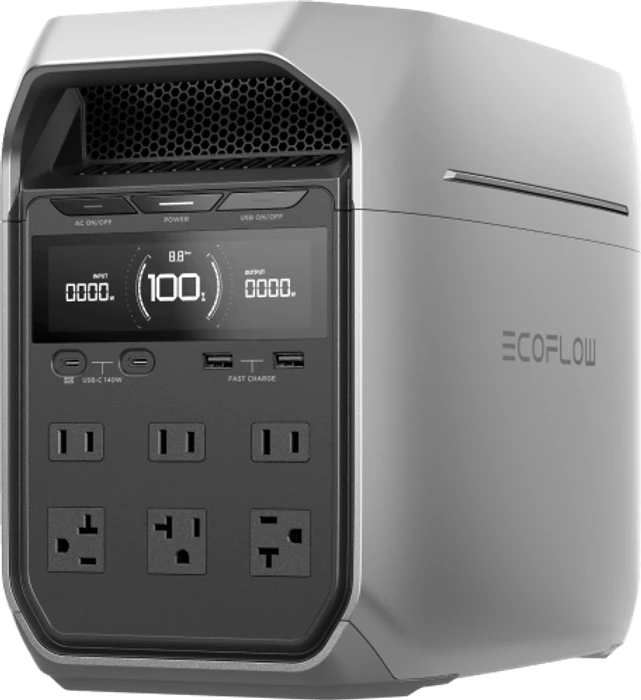
EcoFlow DELTA 3 Plus
A capable camp power hub. A 1,024Wh LFP power station with 1,800W rated AC output, suited to a camp setup that needs more than a phone power bank.
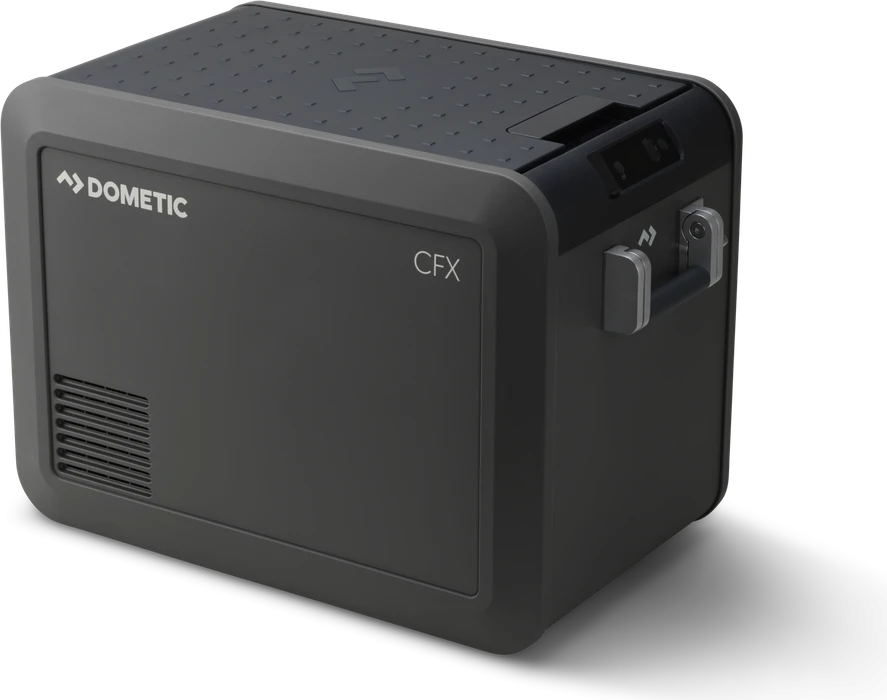
Dometic CFX5 45
Leave the ice run behind. A compressor fridge and freezer for vehicle-based travel, with AC and DC power options and a practical mid-size footprint.
Make an energy list
Write down each device, its approximate average power, and the hours you expect to use it. Multiply watts by hours to estimate watt-hours. A 10W light used for four hours consumes about 40Wh at the load. A compressor fridge cycles, so measure its total energy use across a representative day instead of multiplying its peak draw by 24.
Keep energy and output separate
Watt-hours describe stored energy. Watts describe instantaneous demand. A station can have enough capacity for a device but an inverter that cannot support the load. Check rated continuous output, startup requirements, the correct voltage, and any manufacturer restrictions. Do not size ordinary loads from a marketing boost-mode figure.
Add realistic headroom
Conversion losses and the station’s own power use reduce energy available to your devices. Weather, battery temperature, and leaving the AC inverter enabled can also affect results. Use the calculator below as a planning estimate, then verify with a real load before relying on a specific runtime.
Plan the recharge gap
The important duration is time between dependable charging opportunities. A short drive may not replace a full day’s energy use through a standard vehicle socket. Solar output depends on conditions and compatibility. Count only charging you can reasonably expect and keep a reserve for the equipment you consider essential.
When the DELTA 3 Plus makes sense
EcoFlow’s DELTA 3 Plus is a useful reference point in the roughly 1kWh size class. Its capacity and rated output suit many vehicle-based camps, but the right size remains the one that matches your measured loads. Read the product review for the current specification set.
Give your gear a little headroom.
Estimate the battery capacity for a steady average load. This is planning arithmetic, not a product runtime test.
Estimated capacity, including a 25% planning allowance
Actual requirements depend on conversion efficiency, standby use, temperature, and device behavior. Check rated output separately. For cycling appliances, use a measured average load.
A few good questions.
How long will a 1,024Wh station run a 100W load?
The loss-free arithmetic is 10.24 hours. Real runtime is lower after conversion losses, standby consumption, and reserve. This is an estimate, not a measured product result.
Can a power bank replace a power station?
A USB power bank can be enough for phones and small USB devices. Appliances that require AC or a particular DC output need a compatible source.
Our approach
Written by Outdoor Gear Verdict Editorial. Product-specific facts come from the linked reviews and their manufacturer sources. Recommendations reflect the use cases and tradeoffs discussed. Read our editorial standards.